
Jump the Ladder Feels Better Once You Respect the Rhythm
A cleaner high-score guide for Jump the Ladder, with simple habits that help new players stop wasting easy runs.
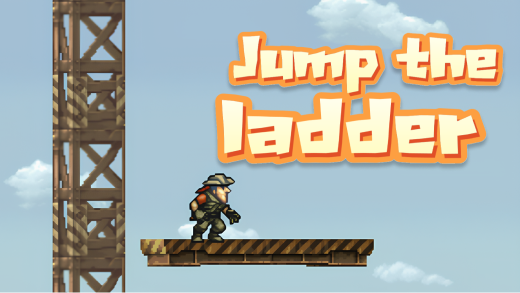
What Jump the ladder asks from you
Jump the ladder is not about frantic tapping. It is about reading the spacing early enough that each jump feels intentional. That is why simple habits matter so much here. The game does not give you many free recoveries once a run starts drifting.
The game becomes more fun once you stop treating every climb like an emergency and start treating it like a rhythm test. Jump the Ladder Feels Better Once You Respect the Rhythm tends to reward clean reads more than noisy inputs, especially in short browser sessions.
Start with a clean first habit
Your first goal is not a huge score. It is learning how early you need to commit when the next safe landing appears. When the checklist is simple, the next round usually looks cleaner right away.
Once that timing settles in, the speed spikes feel far less rude. A short routine works better than a marathon because you can feel the improvement before the session turns messy.
Read together, the list gives you a short routine you can test right away. That is usually enough to make the next few runs look cleaner.
- Watch the next landing point before you leave the current one.
- Keep your input calm. Double panic taps create ugly misses.
- Use the first few climbs of every run to lock back into the timing.
Mistakes that cost easy runs
Most rough sessions in Jump the ladder come from rushing before the pattern is clear. Most bad runs start a moment earlier than they seem to, when one rushed choice leaves no room to recover cleanly.
A short reset usually fixes more than stubbornly forcing another bad attempt. That is why the loss often feels sudden even though the setup was already shaky.
These examples all point to the same problem: the round gets messy because the first read was rushed. Clean that up, and the rest of the run usually settles down.
- Jumping as soon as the next platform enters view
- Chasing a recovery move after one bad input instead of resetting mentally
- Treating every later section like it needs a faster hand than it really does
A ten-minute practice routine
One short routine is better than a marathon. You remember the rhythm longer, and the game keeps its charm. A short routine works better than a marathon because you can feel the improvement before the session turns messy.
Read together, the list gives you a short routine you can test right away. That is usually enough to make the next few runs look cleaner.
- Play three runs where the only goal is clean timing, not score.
- Play three more where you push slightly harder once the early ladder feels stable.
- Stop after one strong run and return later while the rhythm still feels fresh.
When to stop and come back later
This game shines in short bursts because the restart is instant and the lesson from each miss is usually obvious. Most bad runs start a moment earlier than they seem to, when one rushed choice leaves no room to recover cleanly.
If you keep the rhythm clean, high scores arrive more naturally than they do when you try to force them. That is why the loss often feels sudden even though the setup was already shaky.
FAQ
Quick notes for new Jump the ladder players. That way the advice stays playable instead of sounding bigger than the game itself.
If you are new to Jump the Ladder Feels Better Once You Respect the Rhythm, test one or two of these ideas in a short session first. That tells you more than trying to memorize the full list at once.
- Is Jump the ladder better on desktop? Usually yes, because input feels steadier.
- What causes most misses? Early jumps and panic corrections.
- How long should a practice block be? Ten minutes is plenty.
- Should I chase a record every session? No. Some sessions are better used for timing only.
Explore on Playgoha Games
Ready to play? Browse free HTML5 games or read more guides.
Articles on Playgoha Games are written by our editorial team for entertainment and general education. They are independent editorial content and do not replace professional advice or formal training.
More to read

Use a puzzle game as a clean desk reset between tasks
A short puzzle can shift your attention without the speed and noise of an action game. The trick is choosing a firm stopping point.

The five-minute office break is real, and it has its own kind of game
A true office-break game does not only load quickly. It also lets you stop without the feeling that you abandoned something halfway alive.

New to Eliminate Games on Playgoha Games? Start Here
New players usually do better in eliminate games when they learn the board rhythm first and treat score as a side effect.

How to Push Your High Score in Jump the Ladder on Playgoha Games
Higher scores in Jump the ladder come from rhythm, shorter corrections, and knowing when not to chase a risky recovery.