
Stick Soldier Runs Improve Fast Once Your Spacing Stops Falling Apart
A cleaner combat guide for Stick Soldier, focused on distance, rhythm, and the short habits that save fragile runs.
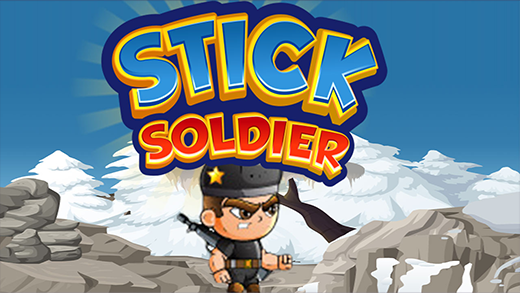
What Stick Soldier asks from you
Stick Soldier rewards players who understand distance. Most messy losses begin when spacing collapses and every decision becomes reactive. That is why simple habits matter so much here. The game does not give you many free recoveries once a run starts drifting.
Once the fight feels slightly farther away and slightly slower in your head, the game becomes much more readable. Stick Soldier Runs Improve Fast Once Your Spacing Stops Falling Apart tends to reward clean reads more than noisy inputs, especially in short browser sessions.
Start with a clean first habit
Do not spend the first rounds trying to look aggressive. Spend them learning the range where your next move stays safe. When the checklist is simple, the next round usually looks cleaner right away.
That alone cuts a lot of chaotic mistakes. A short routine works better than a marathon because you can feel the improvement before the session turns messy.
Read together, the list gives you a short routine you can test right away. That is usually enough to make the next few runs look cleaner.
- Keep enough room to see what the enemy is doing next.
- Attack from control, not from panic.
- After a scramble, rebuild your spacing before chasing damage.
Mistakes that cost easy runs
Most rough sessions in Stick Soldier come from rushing before the pattern is clear. Once you notice where the round first went crooked, the fix is usually less dramatic than it looked.
A short reset usually fixes more than stubbornly forcing another bad attempt. Most bad runs start a moment earlier than they seem to, when one rushed choice leaves no room to recover cleanly.
These examples all point to the same problem: the round gets messy because the first read was rushed. Clean that up, and the rest of the run usually settles down.
- Standing too close for too long
- Following one lucky hit with three reckless ones
- Letting one bad exchange decide the rest of the round
A ten-minute practice routine
One short routine is better than a marathon. You remember the rhythm longer, and the game keeps its charm. That keeps the practice focused and makes it easier to tell which habit actually helped.
Read together, the list gives you a short routine you can test right away. That is usually enough to make the next few runs look cleaner.
- Play a few rounds focused only on spacing.
- Then play a few more where you add measured pressure once the distance feels stable.
- Stop when your timing gets noisy and your recovery decisions get sloppy.
When to stop and come back later
Short arcade combat works when the player can learn from each round quickly. Stick Soldier usually gives that feedback if you keep the spacing clean. Most bad runs start a moment earlier than they seem to, when one rushed choice leaves no room to recover cleanly.
That makes it a strong short-session action pick on Playgoha Games. That is why the loss often feels sudden even though the setup was already shaky.
FAQ
Quick notes for new Stick Soldier players. Use these answers to clean up the next few rounds, not to turn every session into homework.
If you are new to Stick Soldier Runs Improve Fast Once Your Spacing Stops Falling Apart, test one or two of these ideas in a short session first. That tells you more than trying to memorize the full list at once.
- What matters most here? Spacing.
- Why do close-range scrambles go bad so fast? Because the next safe decision becomes harder to read.
- Is this good for quick breaks? Yes. The rounds are short and the lessons are immediate.
- Should I keep attacking after one good hit? Only if your position still makes sense.
Explore on Playgoha Games
Ready to play? Browse free HTML5 games or read more guides.
Articles on Playgoha Games are written by our editorial team for entertainment and general education. They are independent editorial content and do not replace professional advice or formal training.
More to read

Use a puzzle game as a clean desk reset between tasks
A short puzzle can shift your attention without the speed and noise of an action game. The trick is choosing a firm stopping point.

The five-minute office break is real, and it has its own kind of game
A true office-break game does not only load quickly. It also lets you stop without the feeling that you abandoned something halfway alive.

New to Eliminate Games on Playgoha Games? Start Here
New players usually do better in eliminate games when they learn the board rhythm first and treat score as a side effect.

How to Push Your High Score in Jump the Ladder on Playgoha Games
Higher scores in Jump the ladder come from rhythm, shorter corrections, and knowing when not to chase a risky recovery.